Applications open
English-taught Medicine and Dentistry inside the European Union: six years, 360 ECTS and €10,000 per year.

General Information
Programmes
Medicine, Dentistry
Indicative living cost
€900–1,000 per month
Next admission session
To be confirmed

Overview
Croatia is an interesting destination for international students who want to study Medicine or Dentistry in English inside the European Union.
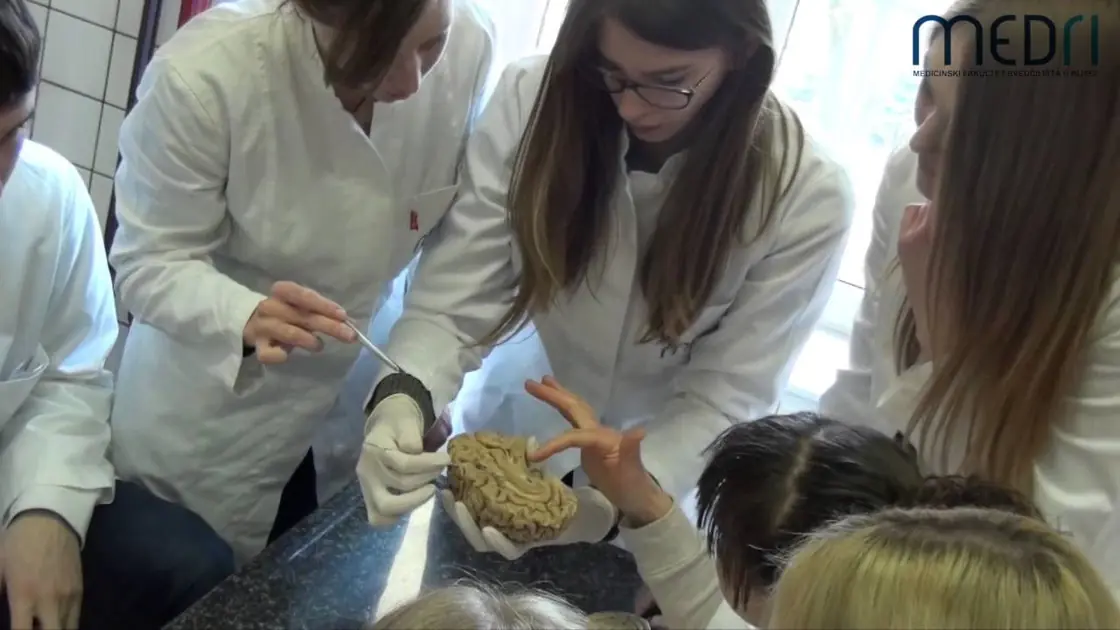
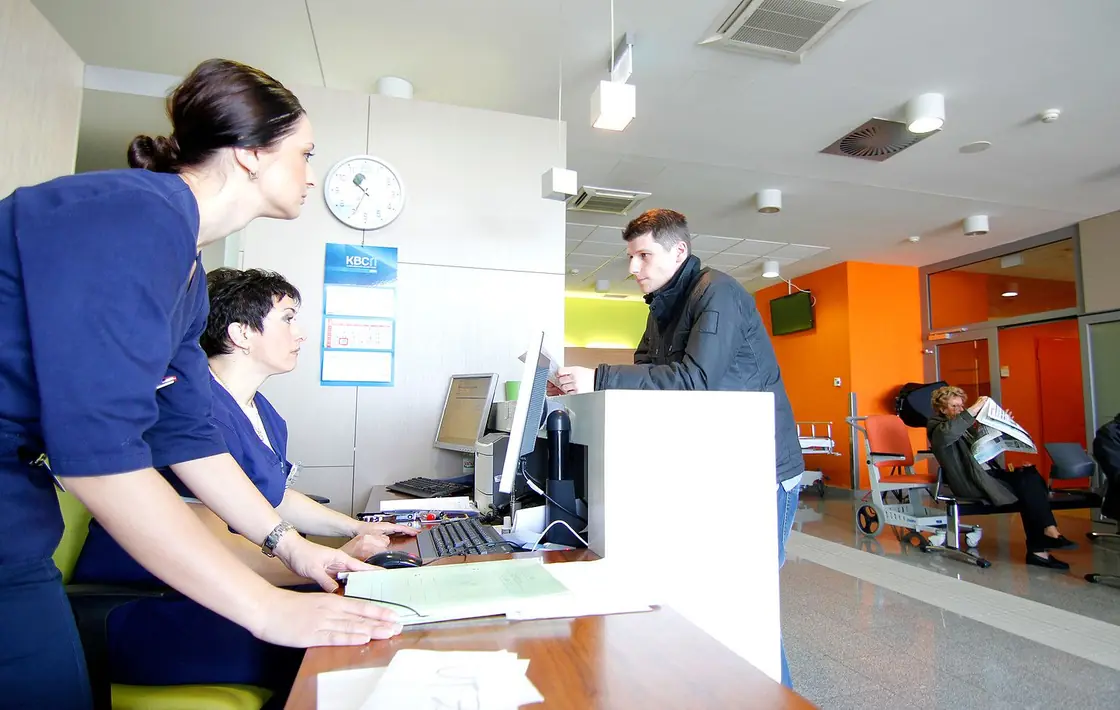
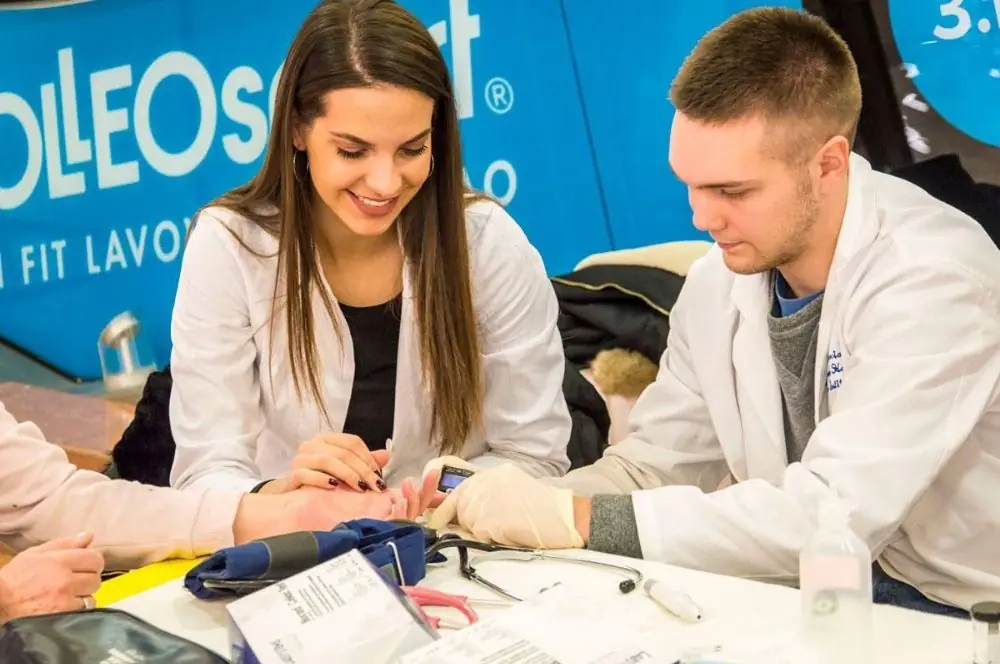
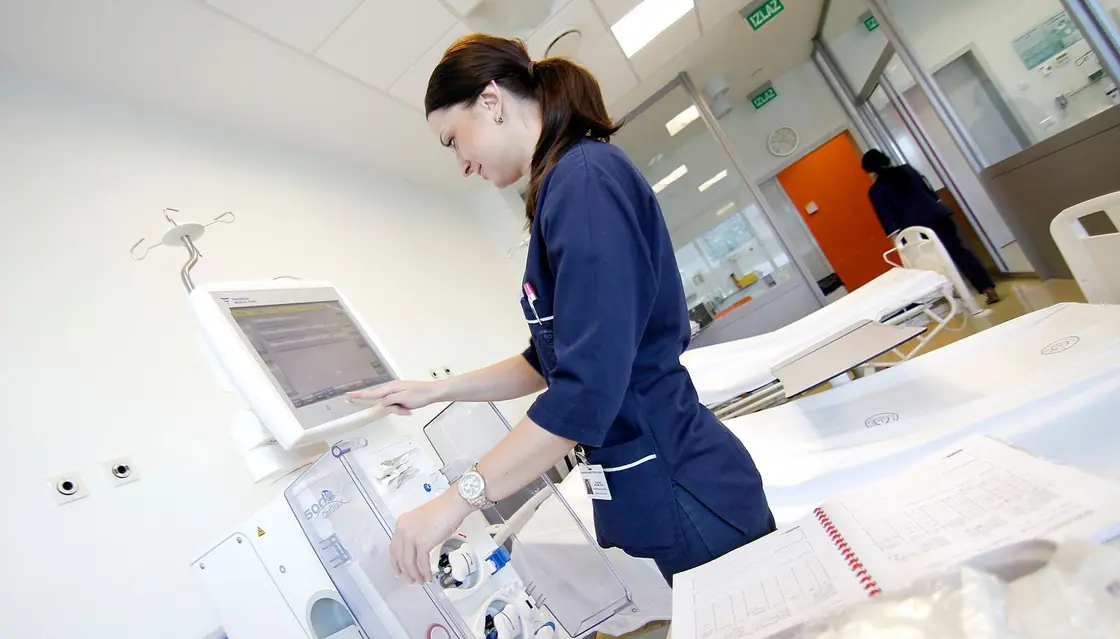
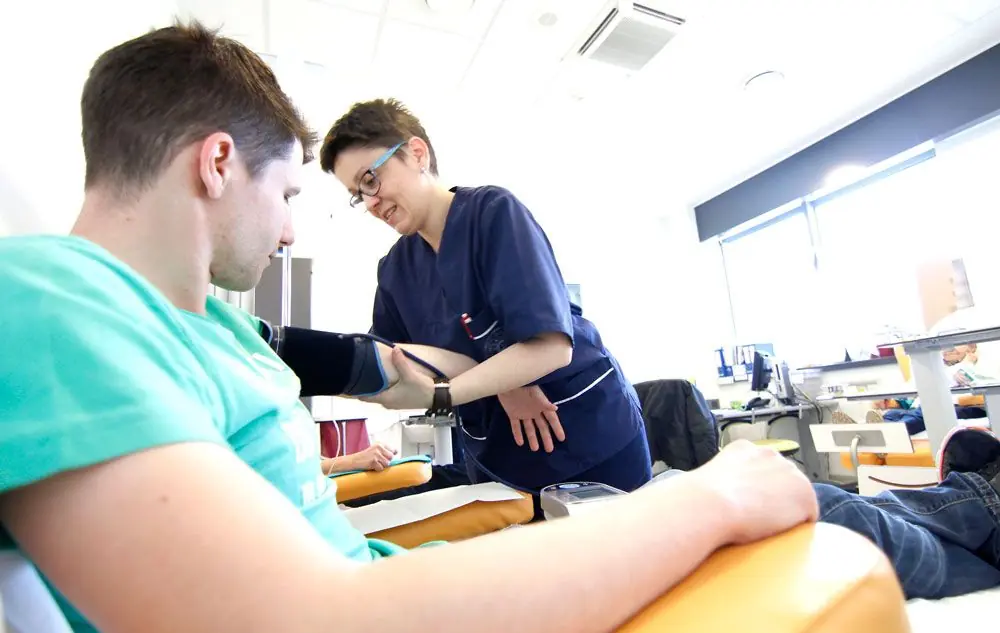
One of the most relevant aspects is the integration of theory and practice: as the studies progress, clinical subjects, practical exercises and direct experience in healthcare settings take up more and more space.
On the Dentistry pathway, developing manual skills is particularly important, as they are essential for the pre-clinical and clinical activities that follow.
Studying in Croatia therefore means following an international pathway in English within the European university system, in a country geographically close to Italy and with costs that are generally competitive compared with other European destinations.

We will answer your questions about the programmes, admission steps and student life.
Degree programmes
Graduates in Medicine receive the title of Doctor of General Medicine.
Graduates in Dentistry receive the title of Doctor of Dental Medicine (DMD).
The English-taught Medicine course in Croatia is a single-cycle degree lasting six years.
In the first years students build their scientific and biomedical foundations through subjects such as Biology, Chemistry, Physics, Anatomy, Physiology and Biochemistry.
The pathway then moves towards pre-clinical and clinical subjects, with a growing amount of practical work and teaching devoted to the main medical specialties.
In the final years the training becomes increasingly clinical, preparing students step by step for working with patients and for professional practice.
The English-taught Dentistry course combines solid medical and scientific preparation with progressively more specific teaching devoted to the prevention, diagnosis and treatment of oral conditions.
The first part of the pathway covers the basic scientific and biomedical subjects, while in the following years dental subjects, pre-clinical activities and practical experience increase.
Particular attention is given to developing precision, coordination and manual skills, which are fundamental for clinical dental work.
The programmes are part of the European framework (Bologna/ECTS), and the degree is recognised in Europe in accordance with the applicable standards and procedures.
City and student life

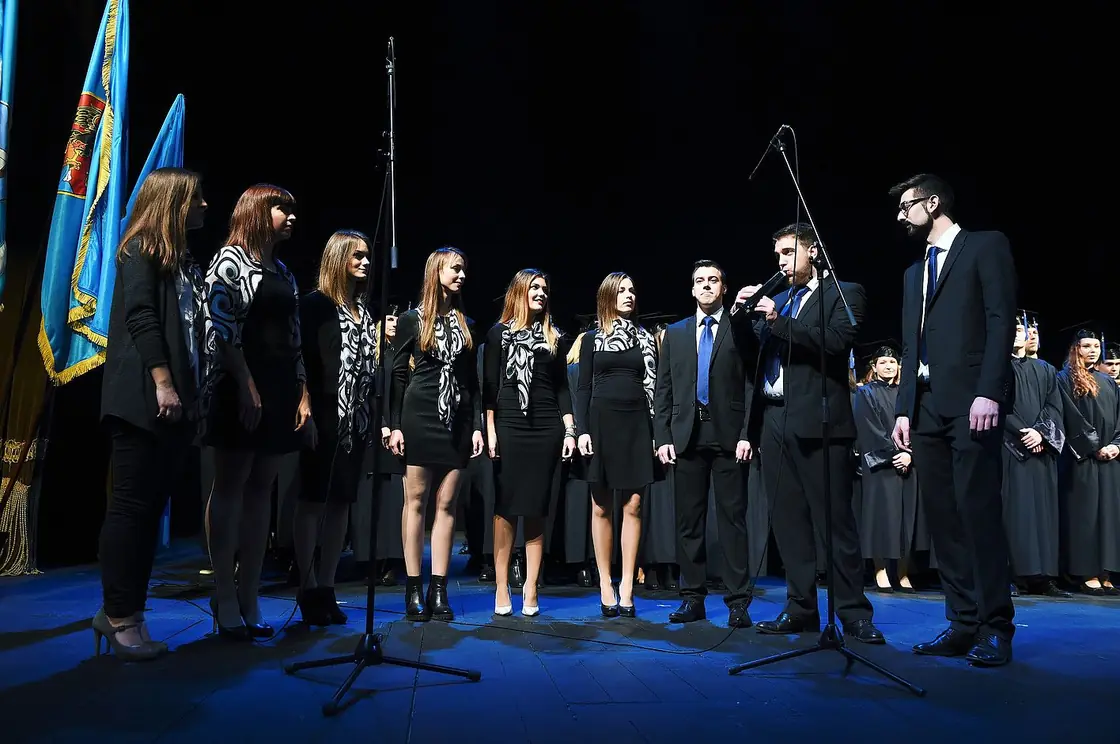
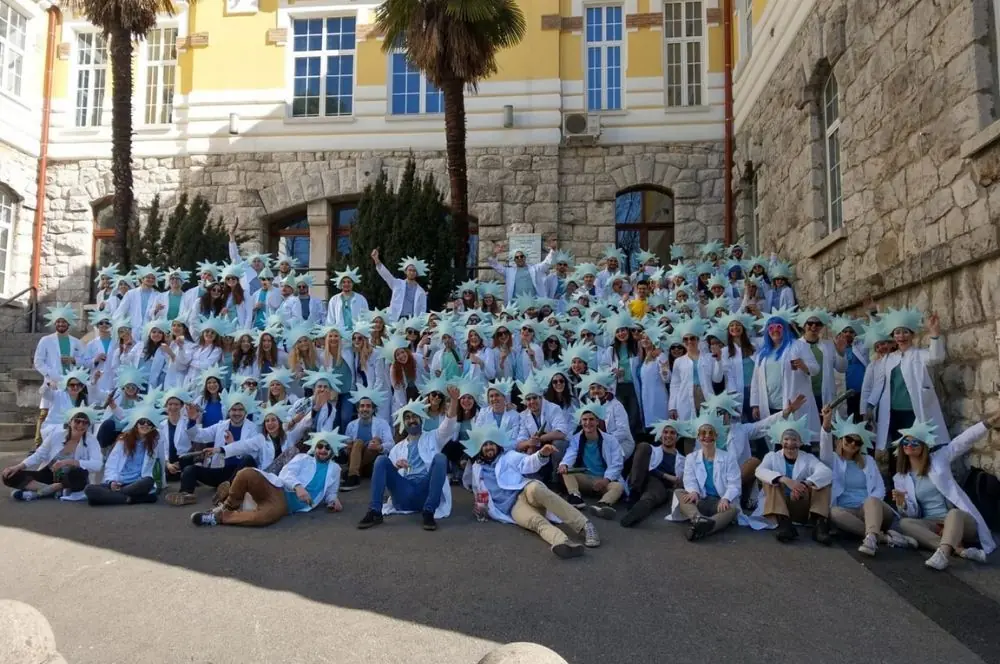
Studying in Croatia means joining a European university environment with a growing number of international students.
The geographical closeness to Italy is a further advantage for those who want to study abroad while keeping travel home relatively simple.
International courses are taught in English, while during the pathway it can be useful to develop a basic knowledge of the local language, especially in the clinical years and in activities that involve direct contact with patients.
Living costs vary with the destination, the type of accommodation and personal habits, but they generally remain competitive compared with many large university cities in Western Europe.
Admission
Next admission session
To be confirmed
Next academic-year session
Admission to the English-taught Medicine and Dentistry courses in Croatia is based on a written multiple-choice test, entirely in English. Each question has one correct answer only.
For Medicine the test consists of 120 questions:
To pass, candidates need at least 50% correct answers overall, counting the combined score of the three subjects. Passing the minimum threshold allows the candidate to be assessed within the selection procedure for admission.
For Dentistry the written test has the same structure as for Medicine: 120 multiple-choice questions in English, divided into 40 questions in Chemistry, 40 in Biology and 40 in Physics or Mathematics, each with one correct answer only.
In addition to the written test there is a practical manual skills exam, designed to assess some of the abilities required for a dental pathway: precision, coordination and manual dexterity, which are particularly relevant in a profession that requires a high level of skill in clinical work.
Accreditation

Media
Support
With our preparation course we guide you with a targeted method so that you reach the Chemistry, Biology and Physics or Maths test with confidence and in good time. We then support you with the application documents, enrolment and the practical steps of your move.
FAQ
Medicine and Dentistry, both taught in English and both lasting six years (360 ECTS).
Tuition is €10,000 per year for both Medicine and Dentistry. Indicative living costs are €900–1,000 per month.
A written multiple-choice test in English with 120 questions: 40 in Chemistry, 40 in Biology and 40 in Physics or Mathematics, with at least 50% correct answers overall. Dentistry applicants also take a practical manual skills exam.
Fill in the form below and we will reply within 24 hours with the information brochure.
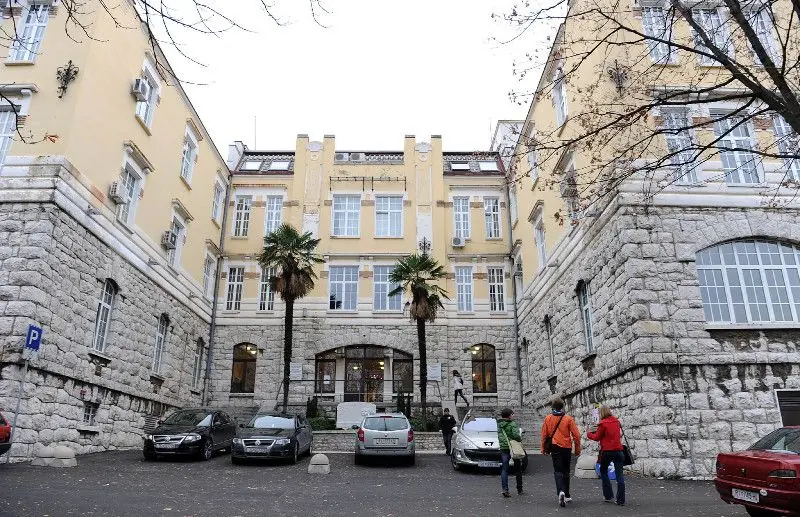
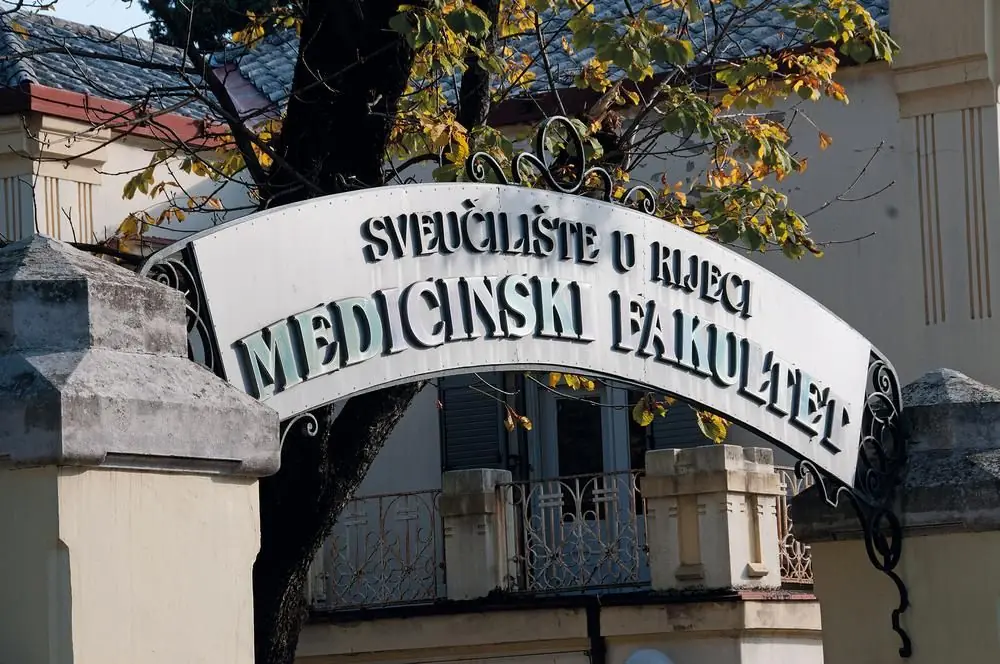
Campus


Request a free consultation and discover how we can help you build your future in Medicine or Dentistry abroad.