Admission tests:
Book a consultation
✕
Language
EN
IT
DE
Book a consultation

Applications open

Study Medicine, Dentistry and Physiotherapy in Spain

Medicine in Spanish, Dentistry in Spanish or English and a Physiotherapy degree that begins in English, with practical and clinical training built into the course.

Study Medicine, Dentistry and Physiotherapy in Spain

General Information

Programmes

Medicine, Dentistry, Physiotherapy

Indicative living cost

€1,200–1,700 per month

Next admission session

To be confirmed

Spain: discover the destination

Why study Medicine in Spain

Spain is one of the European destinations most often considered by international students who want to study a health-science degree.

The offer covers Medicine, Dentistry and Physiotherapy, with programmes taught in Spanish, in English or on bilingual routes that move gradually from English to Spanish during the years of study.

One of the most interesting features of the Spanish university system is the attention given to practical and clinical training, which is built into the degree step by step. Alongside the scientific and theoretical subjects, students move on to laboratory work, simulation and clinical training, developing professional skills gradually.

Studying in Spain also means an international university experience inside the European Union, in a setting that is culturally close to Italy and particularly attractive for students who want to combine academic study with international life.

  • A wide choice of health-science degrees, with routes in Medicine, Dentistry and Physiotherapy.
  • Study in English, in Spanish or on a bilingual route, depending on the programme.
  • Training that moves progressively towards practice and clinical work, integrated into the degree.
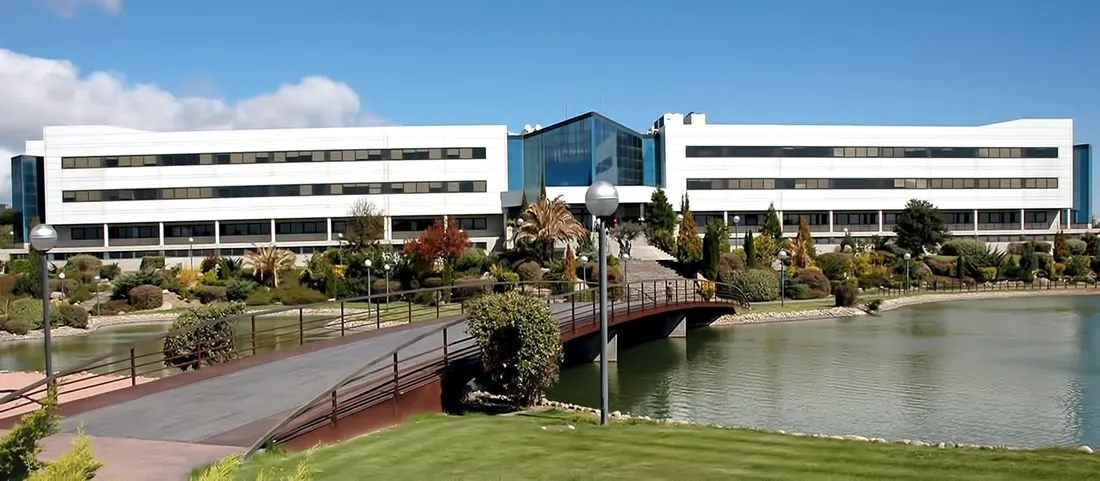
A modern university building beside a lake in Spain
Request information

We will answer your questions about the programmes, admission steps and student life.

Key facts

  • Programmes: Medicine, Dentistry, Physiotherapy
  • Study location: Madrid and Valencia
  • Teaching language: Medicine in Spanish · Dentistry in Spanish or English · Physiotherapy English (years 1–2) then Spanish
  • Duration: Medicine 6 years · Dentistry 5 years · Physiotherapy 4 years
  • Credits: Medicine 360 ECTS · Dentistry 300 ECTS
  • Attendance: mandatory
  • Start: late September

Compare the teaching language carefully: some programmes are taught entirely in Spanish, while others begin in English and later require Spanish for clinical study.

Medicine

Spanish
6 years
360 ECTS, mandatory attendance
end of September
€24,000 per year

The Medicine degree is designed for international students and combines a solid scientific education with practical training in university clinical facilities.

Dentistry in Spanish

Spanish
5 years
300 ECTS, mandatory attendance
end of September
around €20,000 per year

Dentistry in English

English
5 years
300 ECTS, mandatory attendance
end of September
around €24,000 per year

Dentistry is offered to international students in English or in Spanish, depending on the programme. Practical training takes place in university clinics, and on some routes it includes more than 600 hours of clinical practice and a personal mentor.

Practical training in Dentistry

  • work in laboratories and simulation environments
  • development of technical and professional skills
  • clinical training at a university clinic, treating real patients with the support of practising professionals

The programme is designed to build confidence and manual skills year after year.

Physiotherapy

English in years 1–2; Spanish in years 3–4
4 years
around €14,600 per year
Video interview; English B2 required

Medicine

Single-cycle degree, taught entirely in Spanish — €24,000 per year.

The Medicine pathway in Spain is designed to take students step by step from the basic scientific and biomedical subjects to pre-clinical and clinical training. The first years cover Anatomy, Biology, Physiology, Biochemistry and other subjects that are fundamental to understanding the human body and the main diseases. As the course progresses, clinical subjects and practical work take up more and more space, until students are placed in hospital and healthcare settings.

Dentistry

In Spanish — around €20,000 per year. In English — around €24,000 per year.

The Dentistry course combines basic medical and scientific training with progressively more specific subjects devoted to oral health, prevention, diagnosis and the treatment of dental conditions. The practical component grows year by year, with exercises, pre-clinical work and later clinical activity with patients. Depending on the university, the course can be followed in Spanish or in English, which makes Spain an interesting option for international students who want to start their studies in English.

Physiotherapy

Four years — years 1 and 2 in English, years 3 and 4 in Spanish. Around €14,600 per year.

The Physiotherapy course lasts four years and combines scientific subjects, the study of movement, rehabilitation and a growing amount of practical work. On the pathway used as a reference, the first two years are taught in English and the third and fourth years in Spanish, in line with the increase in practical and clinical activity. During the course students learn how to assess patients functionally, how to work on rehabilitation and the main methods used in physiotherapy practice.

Degree recognition

The degrees are structured according to European standards and use the ECTS credit system within the European (Bologna) framework.

Tuition fees

An aerial view of Gran Vía in Madrid

Studying in Spain means joining an international university environment, with a strong presence of students from other European countries and beyond.

University life combines study, academic work and practical training with a particularly lively social and cultural setting. For an Italian student, the relative geographical and cultural closeness can also make settling in easier than in more distant destinations.

Living costs vary considerably depending on the area chosen, the type of accommodation and personal habits. Alongside tuition, it is therefore important to budget for accommodation, transport, food and day-to-day life.

Indicative living cost:
€1,200–1,700 per month
Request information

How admission works

Application steps

Next admission session

To be confirmed

Next academic-year session

Admission requirements for health-science degrees in Spain depend on the programme chosen and on the language it is taught in.

Medicine

For Medicine, admission is based mainly on language assessment.

Spanish language test. A Spanish test at B2 level, which carries particular weight in the selection. It assesses reading comprehension, grammar, vocabulary and listening comprehension.

English language test. An English test is also required, at B1 level.

Aptitude test. Selection also includes an aptitude test, worth around 10% of the overall score. It looks at capacity for intellectual work, attitude to work, cooperation, teamwork and study behaviour and strategies. It lasts about 30 minutes and consists of 116 questions on general abilities plus 23 questions on study behaviour.

Dentistry

For Dentistry the procedure depends on the language of the course: a Spanish test at B2 level for the course in Spanish, an English test at B2 level for the course in English. An aptitude test is also required, worth around 10% of the overall assessment; it mainly looks at cognitive abilities, personal aptitudes, study organisation and the ability to cooperate and work in a team.

Physiotherapy

For Physiotherapy the selection focuses on language and motivation: an oral interview by video call, in which the candidate's ability to communicate in English is assessed. English at B2 level or above is required.

No items found.

How Medicor Tutor supports you

We help you choose between Medicine, Dentistry and Physiotherapy in Spain and between the Spanish- and English-taught routes, prepare you for the language and aptitude tests, organise your application documents and plan the practical steps before enrolment.

Request info

Frequently asked questions

Which programmes can I study in Spain?

Medicine (taught in Spanish), Dentistry (in Spanish or in English) and Physiotherapy (in English in years 1–2 and in Spanish in years 3–4).

How much does it cost to study in Spain?

Medicine costs €24,000 per year; Dentistry from around €20,000 per year in Spanish and around €24,000 per year in English; Physiotherapy around €14,600 per year. Indicative living costs are €1,200–1,700 per month.

How does admission work in Spain?

For Medicine: a Spanish test at B2, an English test at B1 and an aptitude test worth around 10% of the score. For Dentistry: a language test at B2 in the language of the course, plus the aptitude test. For Physiotherapy: an interview by video call, with English at B2.

Want to know more?

Fill in the form below and we will reply within 24 hours with the information brochure.

Inside the campus

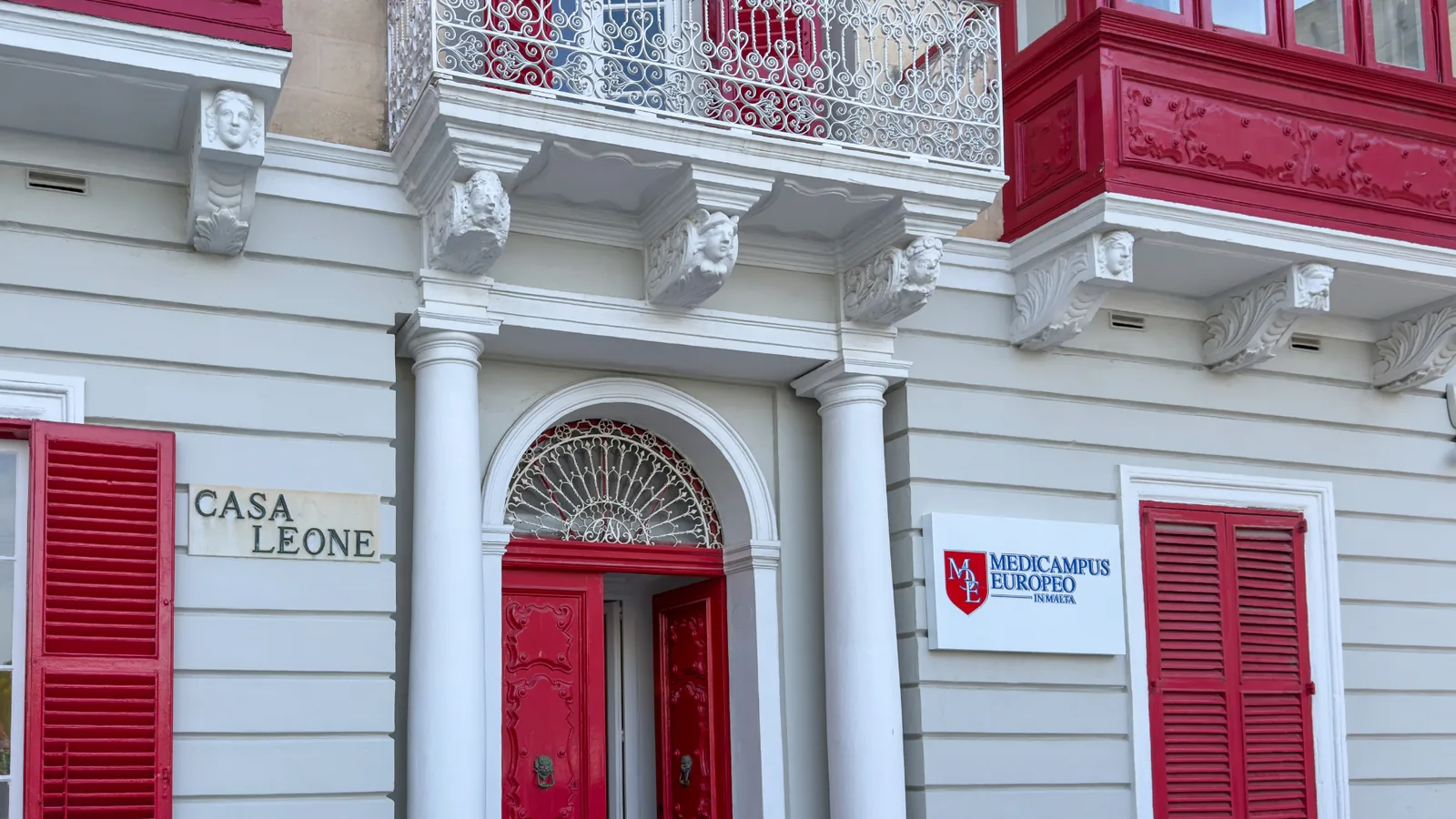
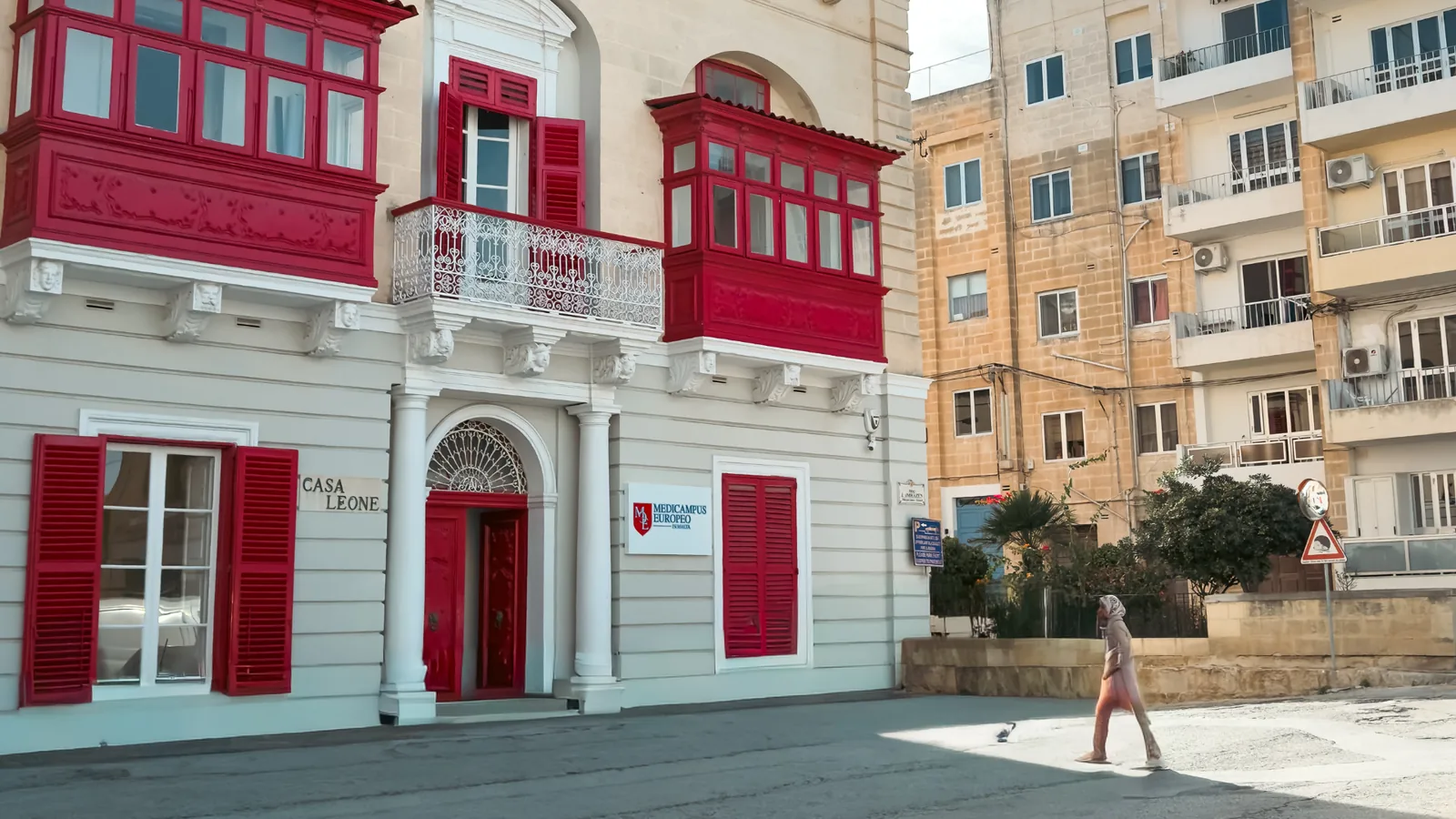
MediCampus Europeo building in Floriana, Malta
Lecture hall at MediCampus Europeo
MediCampus Europeo campus in Floriana, Malta
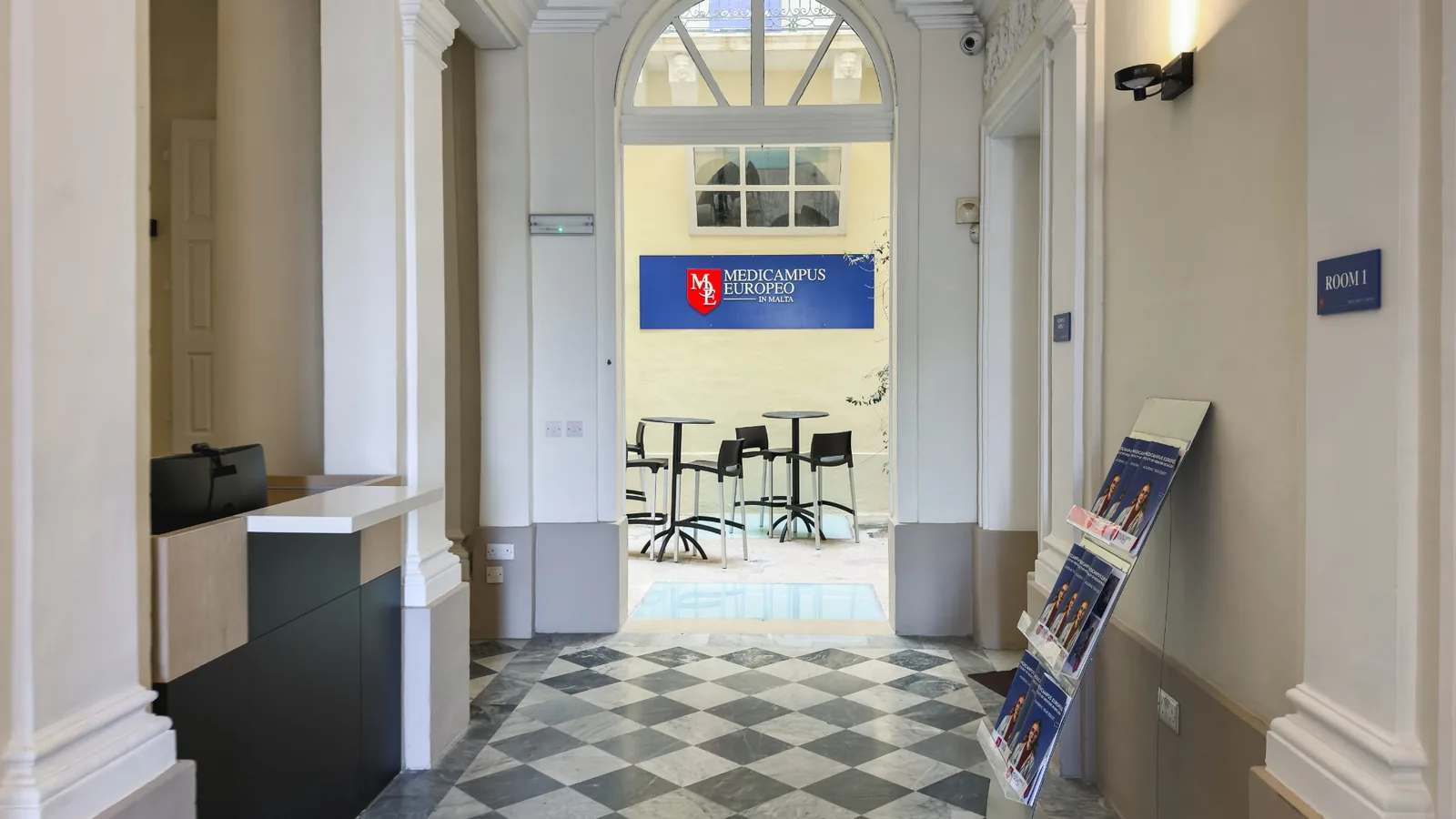
Entrance hall of MediCampus Europeo
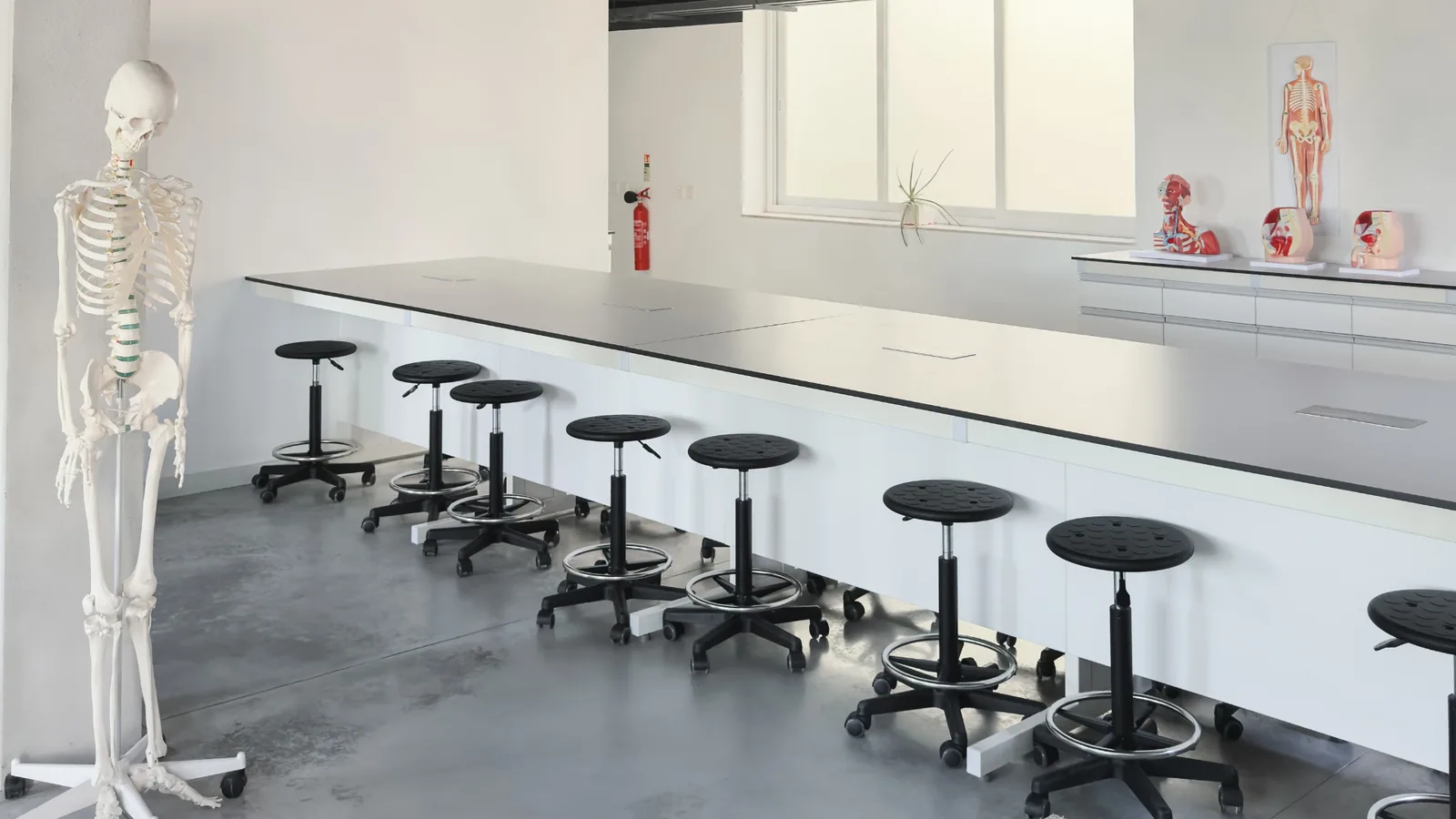
Anatomy room at MediCampus Europeo
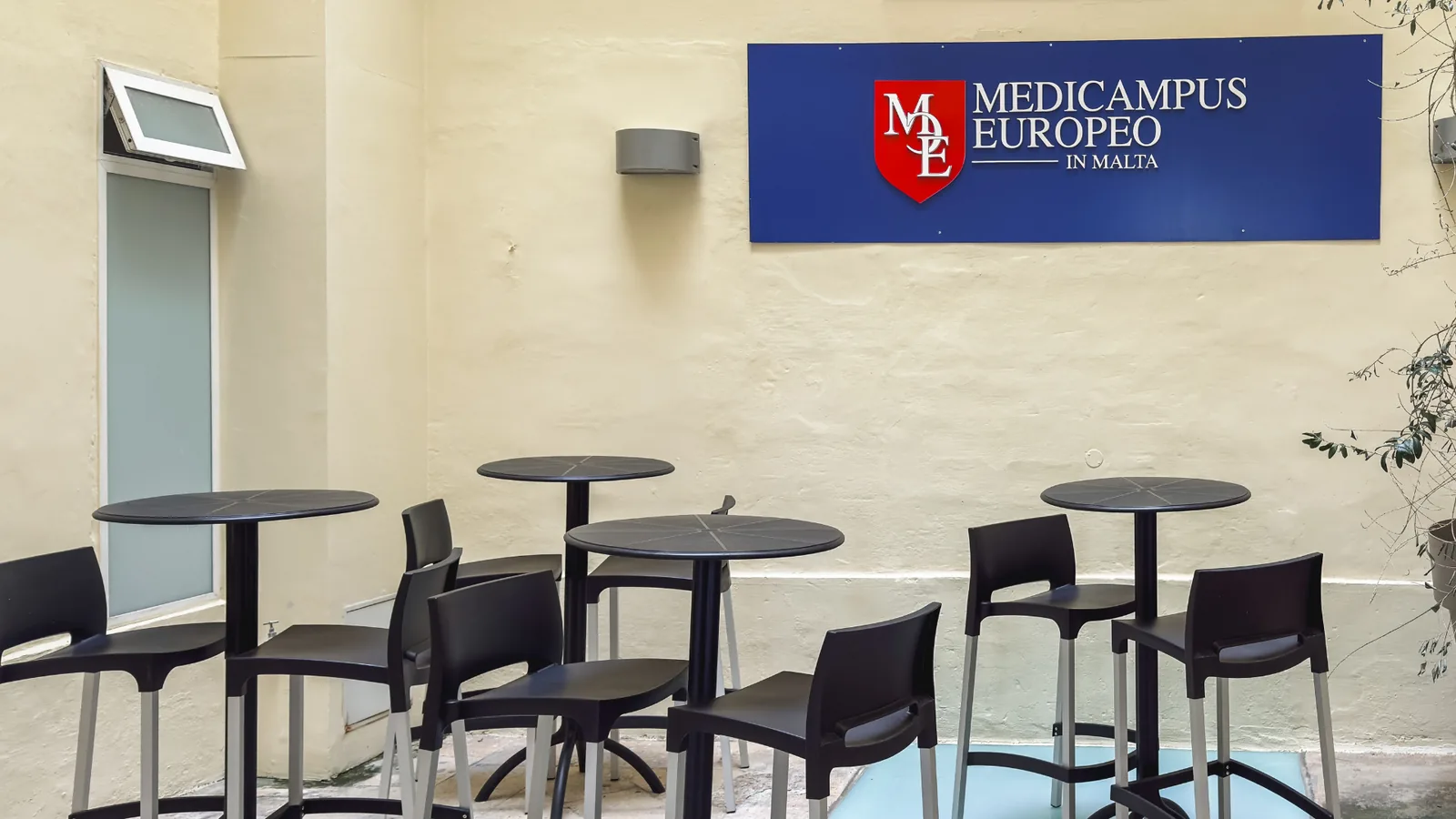
Student common area at MediCampus Europeo
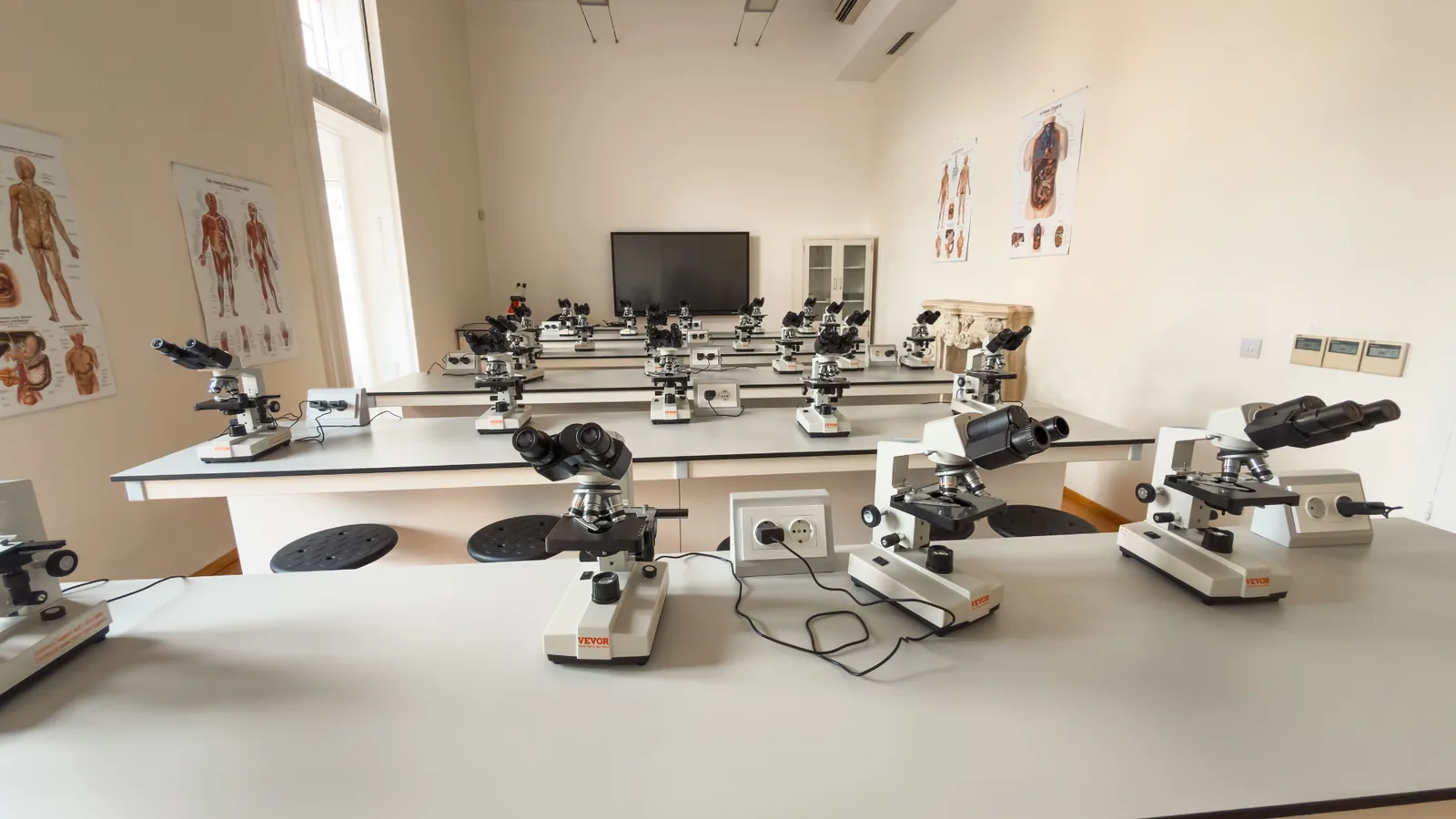
Microscopy laboratory at MediCampus Europeo
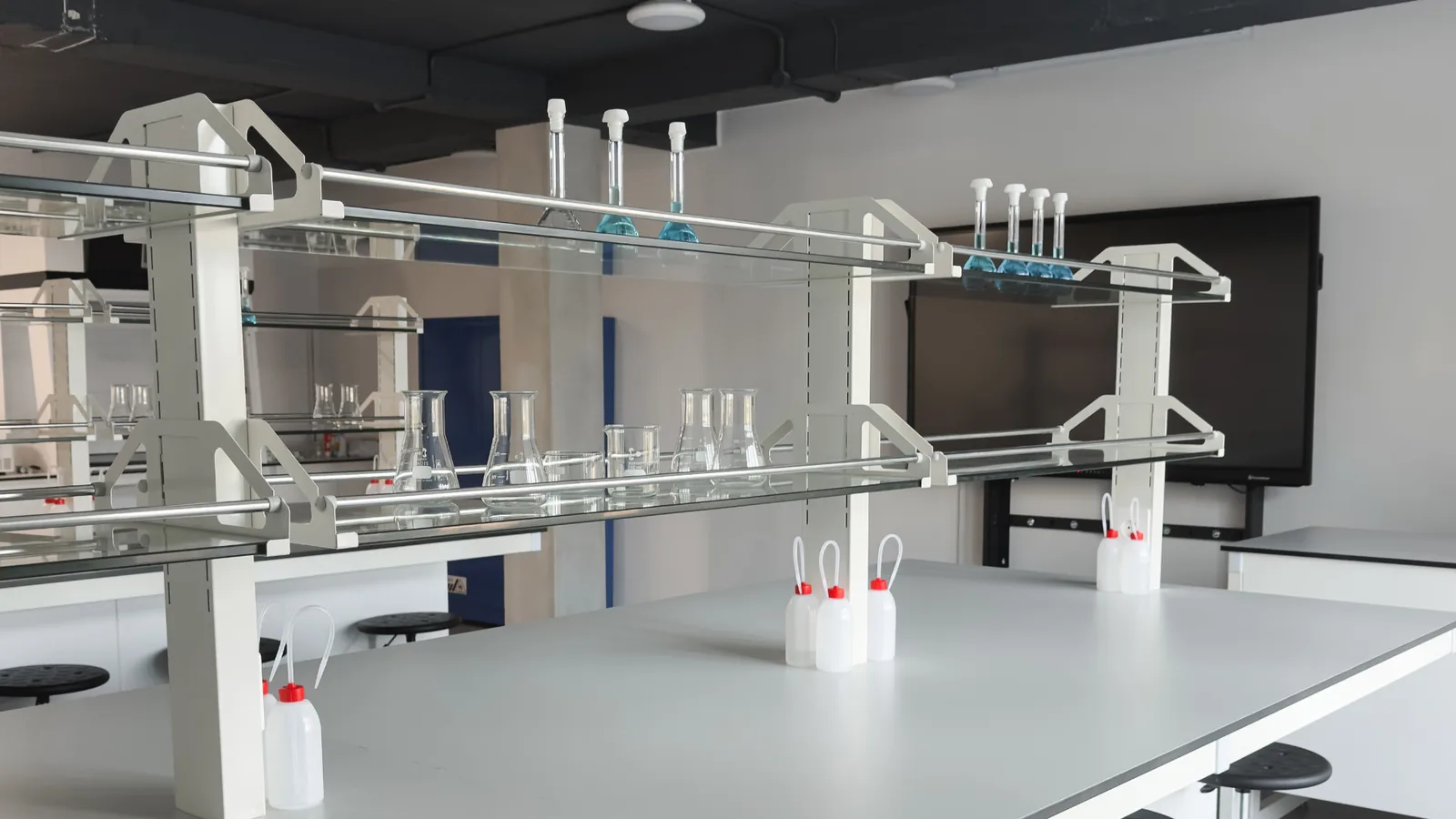
Chemistry laboratory at MediCampus Europeo

Ready to start?

Request a free consultation and discover how we can help you build your future in Medicine or Dentistry abroad.

Request a Free Consultation