




01 / Universities
Available study options
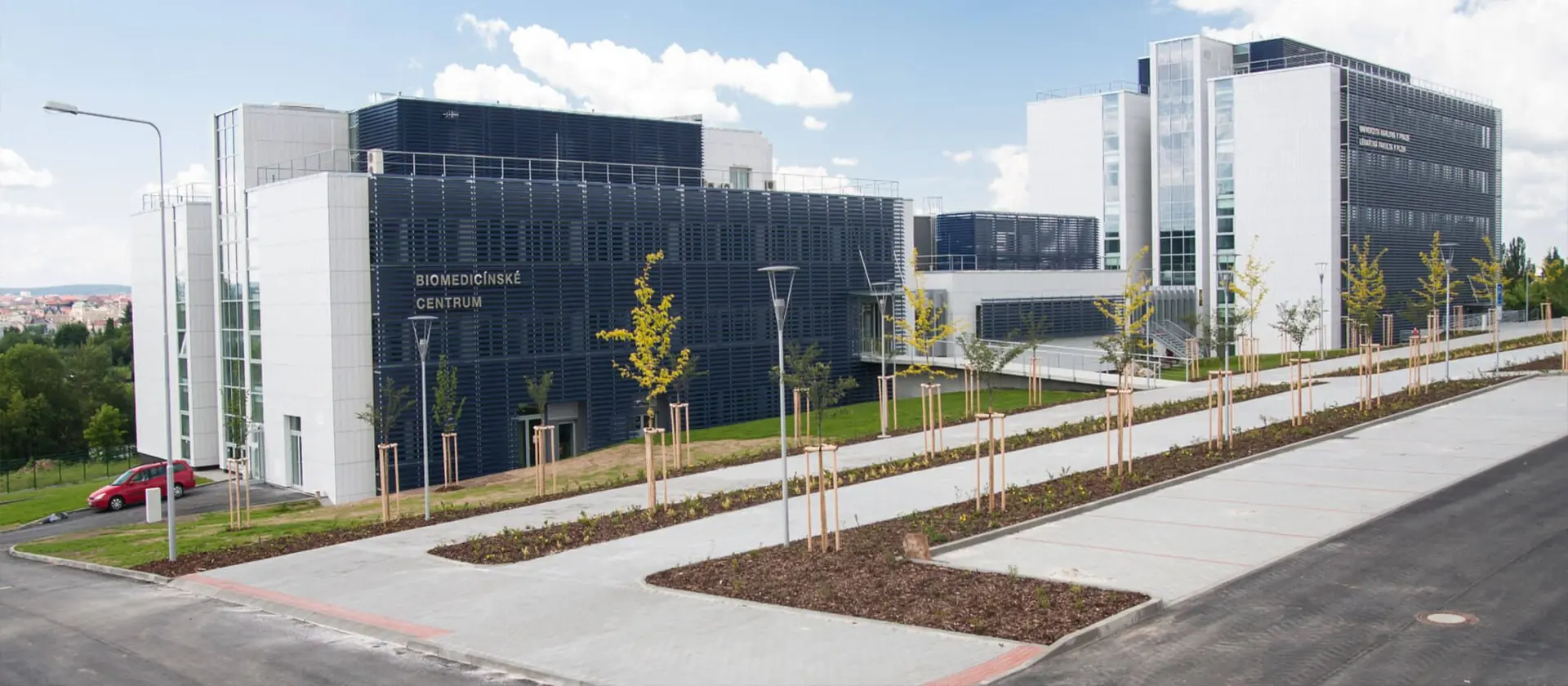
Charles University
Oldest in Central Europe (1348)
Among the world’s top 400 universities
Modern, fully equipped facilities

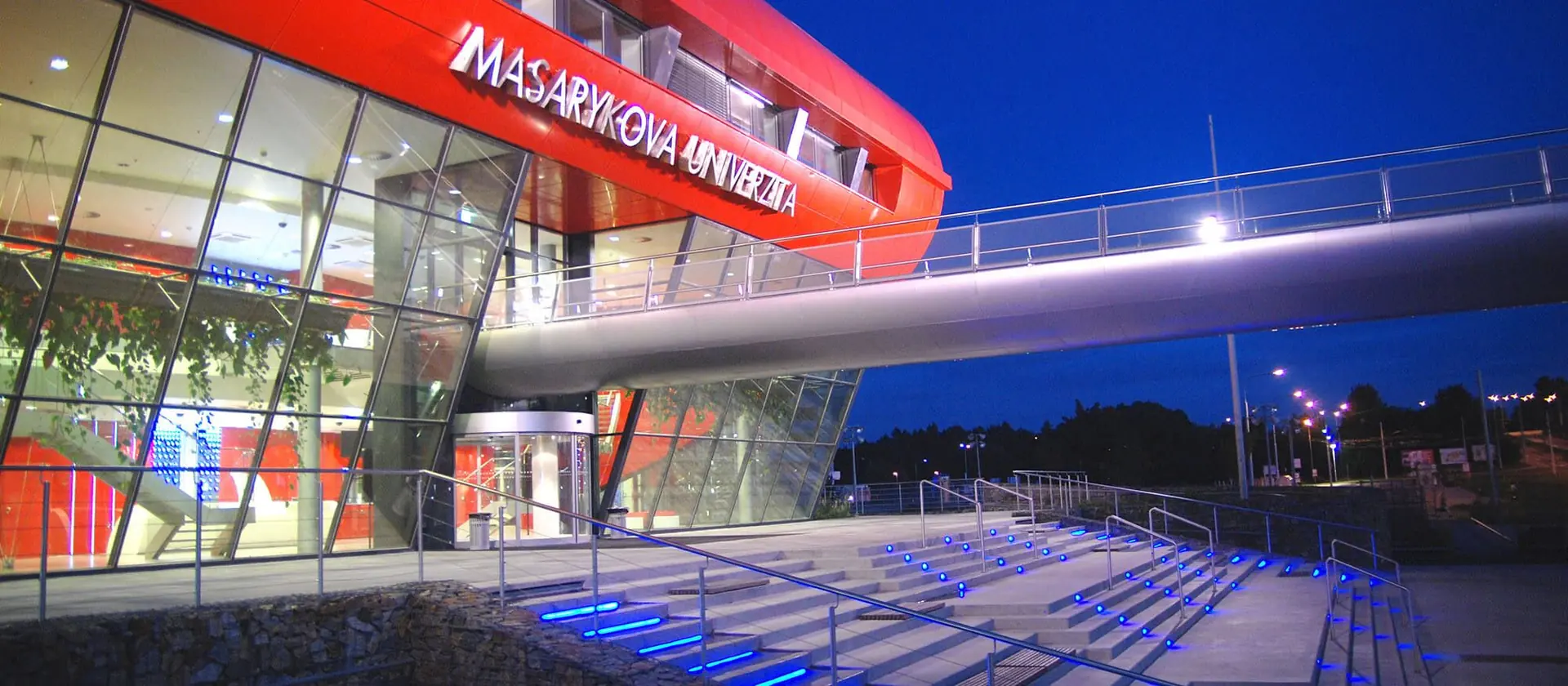
Masaryk University
Public, founded in 1919
Among Europe’s top 150 universities
Modern, fully equipped facilities
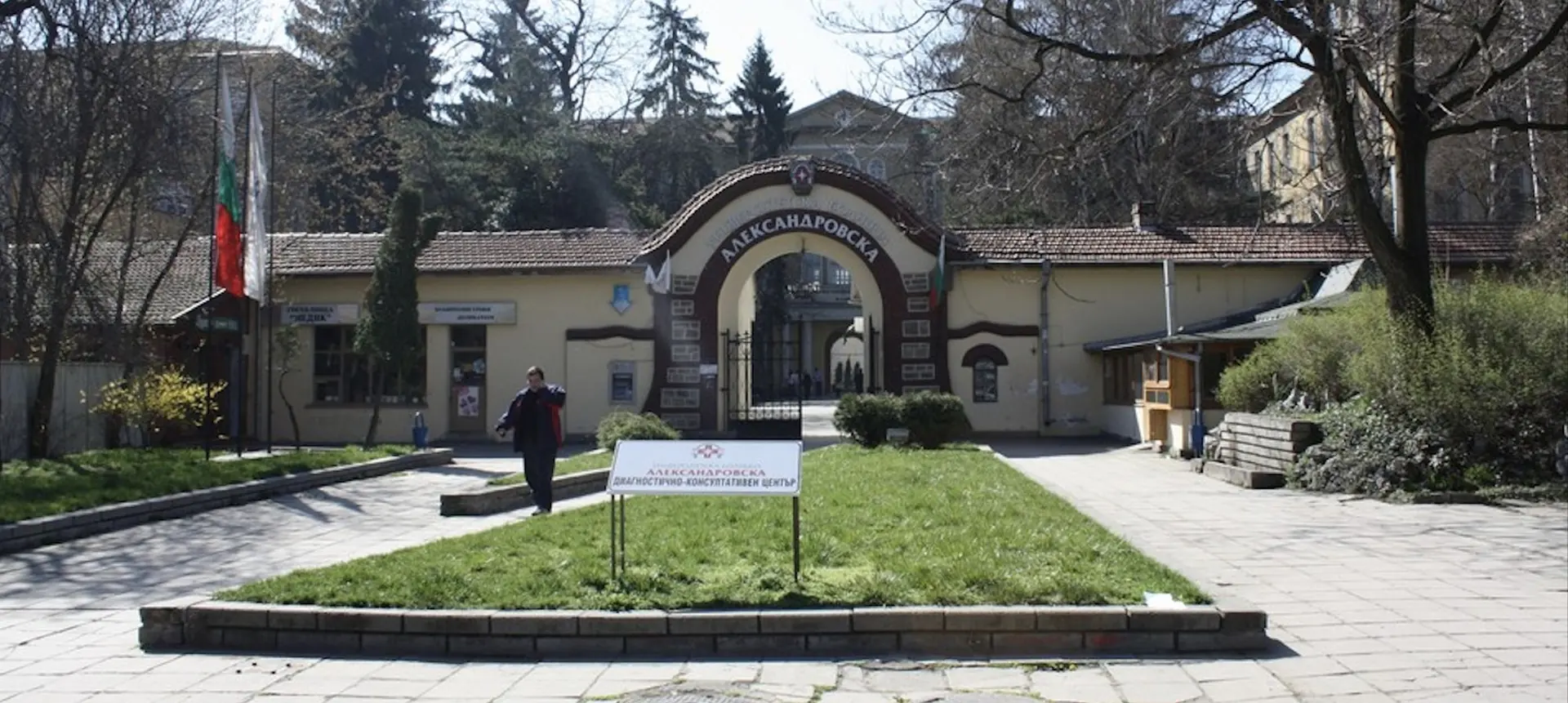
Medical University of Sofia
Public university since 1917
14 university hospitals
Modern, fully equipped facilities
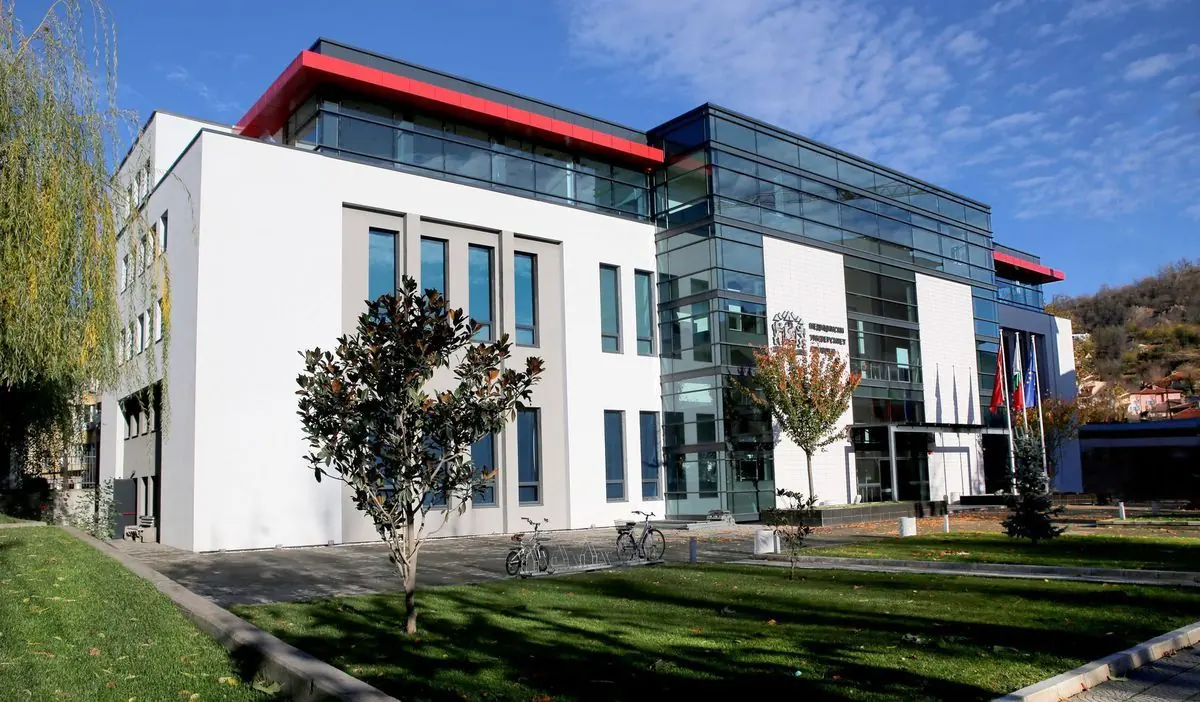
Medical University of Plovdiv
Public university since 1945
Doctor of Dental Medicine degree
Modern, fully equipped facilities
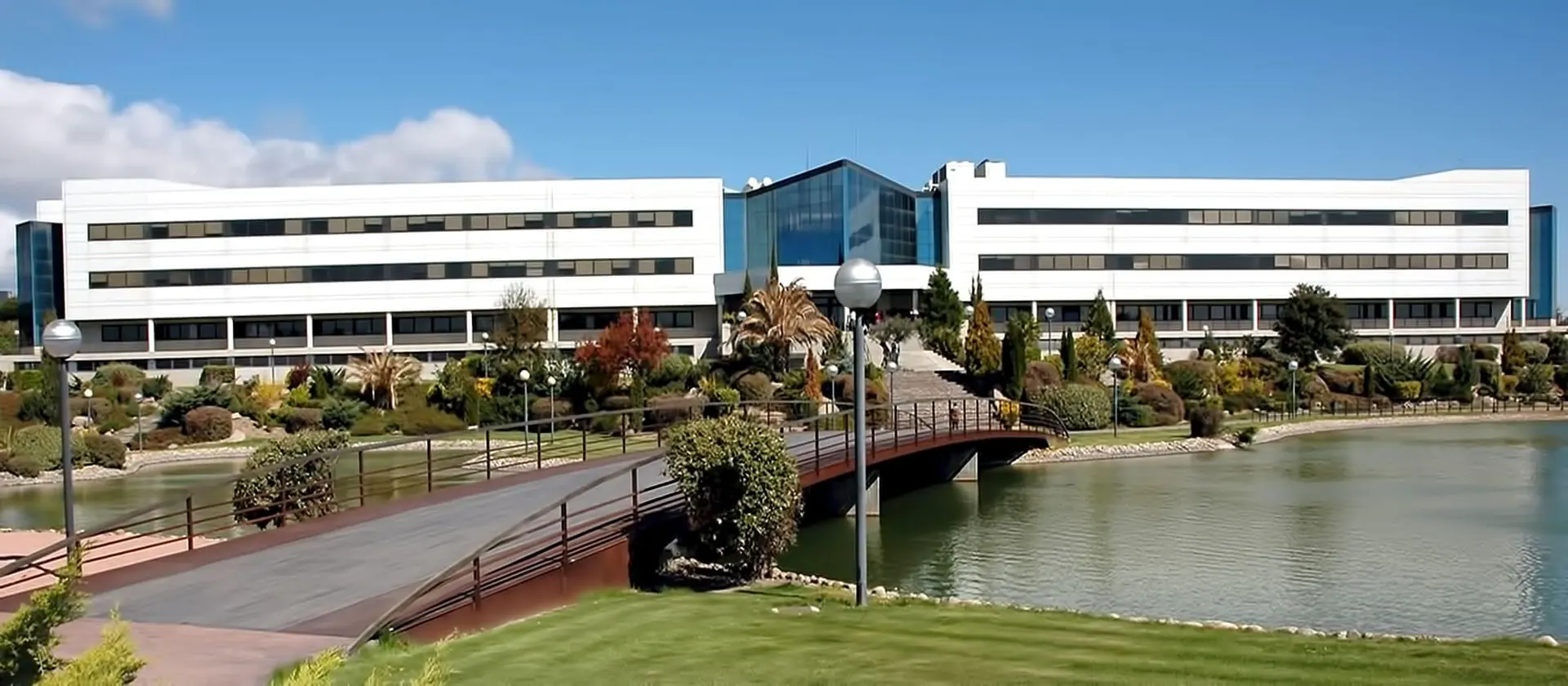
Universities in Spain
600+ hours of clinical practice (Valencia)
A personal mentor
Real patients in a university clinic
Universities in Spain
Campuses in Madrid and Valencia
Practice in city-centre university clinics
Labs and simulation

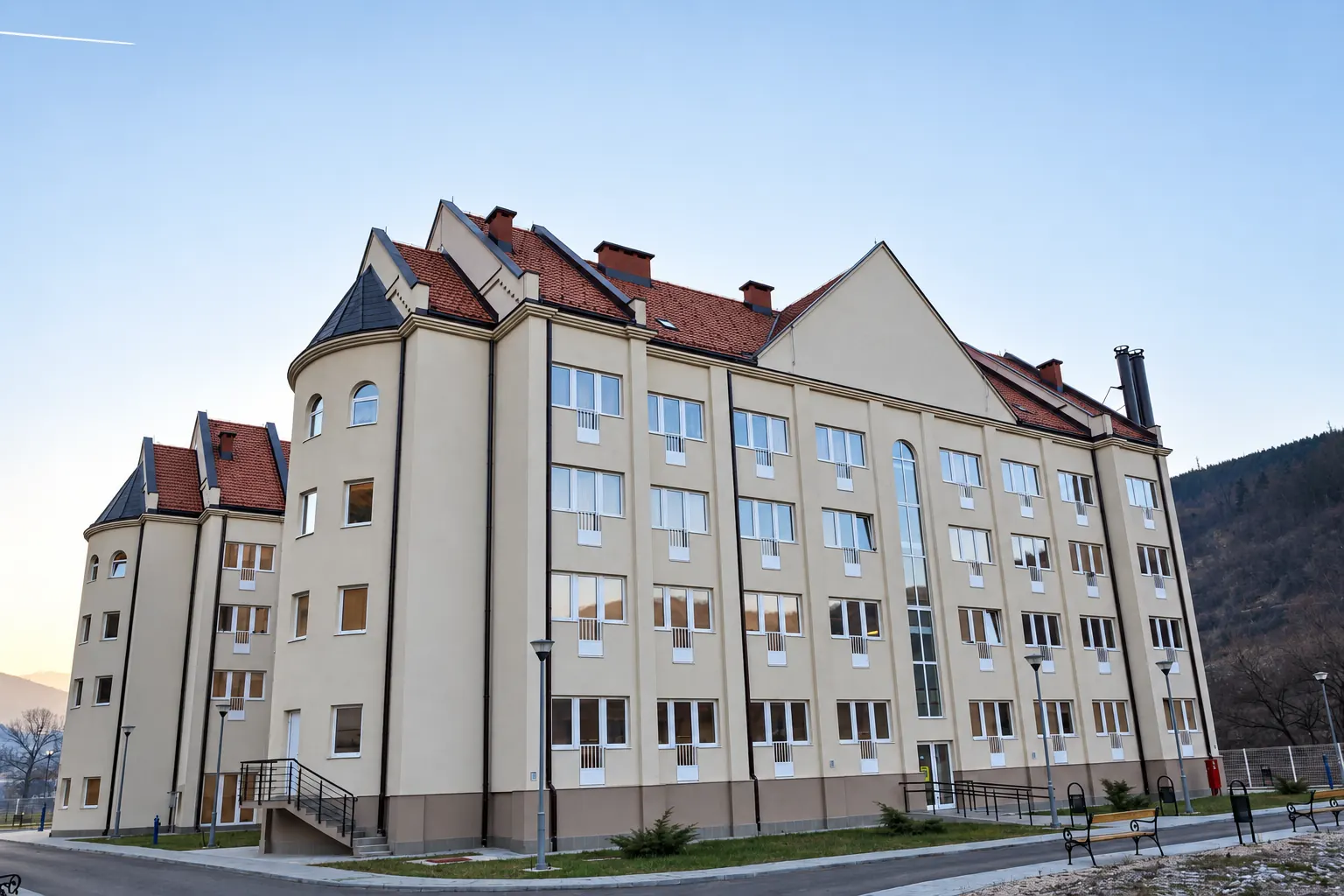
University of East Sarajevo, Foča
Public university since 1992
Student-friendly environment
Among Europe’s lowest living costs
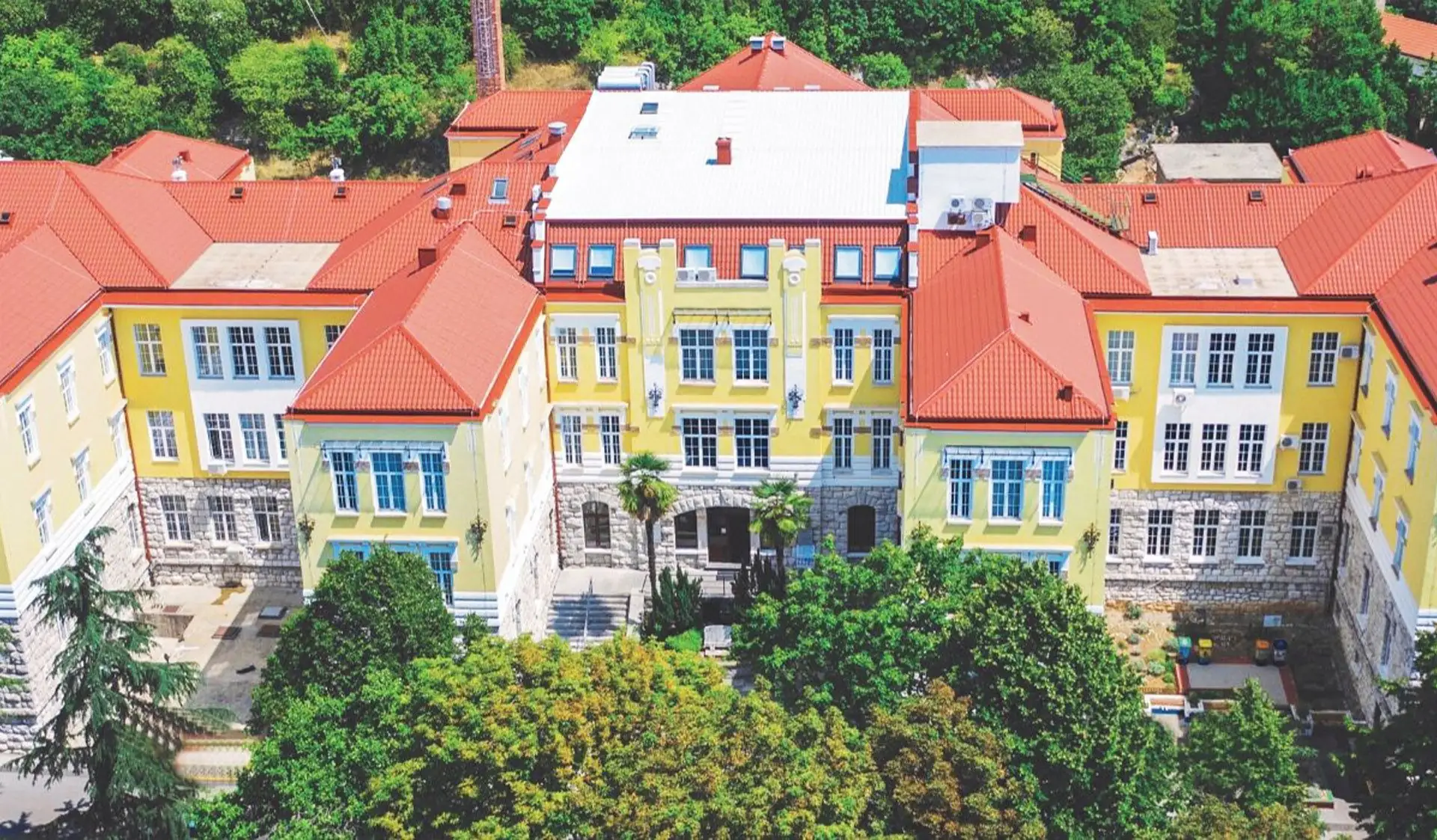
Universities in Croatia
In the EU, close to Italy
Focus on manual skills
Study in Rijeka
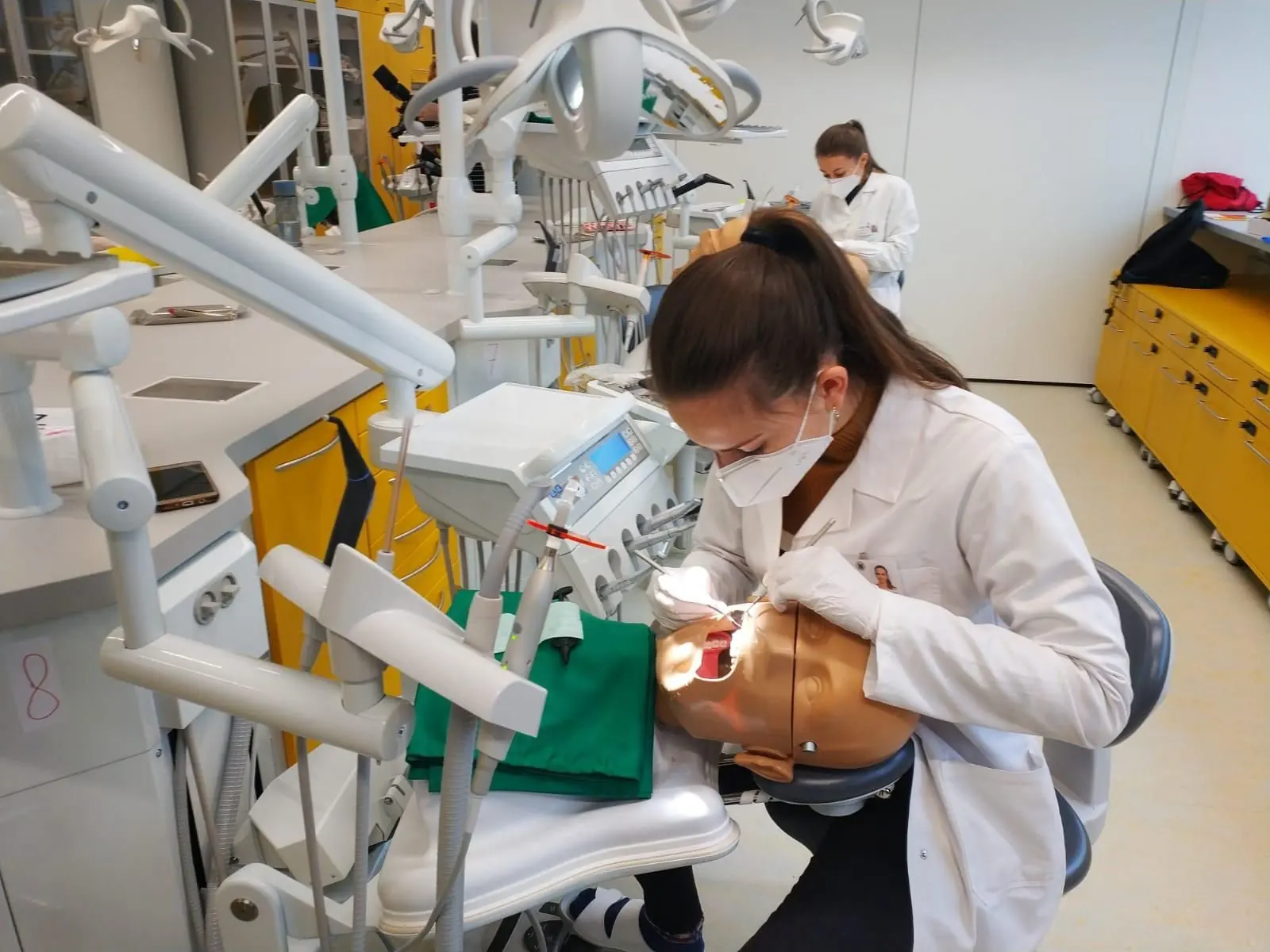
A Dentistry degree abroad asks for much more than theory: precision, manual skill and the ability to work with patients become central as the course progresses. Training starts with the medical and scientific subjects and moves towards simulations, pre-clinical activities and dental practice. Studying Dentistry in English abroad also means learning international specialist terminology and working with different clinical protocols and organisational models, building a professional profile that is more open to mobility.
Medical University of Sofia — Bulgaria
- €10,000 per year
- English
- 5.5 years
Medical University of Plovdiv — Bulgaria
- €9,000 for the first year
- English
- 5.5 years
Charles University — Czechia
- €16,000 per year (approx. 390,000 CZK)
- English
- 5 years
- Campus: Pilsen
- Multiple-choice test in Biology, Chemistry and Physics
Masaryk University — Czechia
- €16,500 per year (approx. 400,000 CZK)
- English
- 5 years
- Campus: Brno
- Written test in Biology, Chemistry and Physics
University of East Sarajevo, Foča — Bosnia and Herzegovina
- €3,500 per year
Spain — Dentistry in Spanish
- from €20,000 per year
- Spanish
- 5 years
- Spanish test at B2 and an aptitude test (around 10% of the assessment)
Spain — Dentistry in English
- €24,000 per year
- English
- 5 years
- English test at B2 and an aptitude test (around 10% of the assessment)
Croatia
- €10,000 per year
- English
- 6 years
- Test in Biology, Chemistry and Physics, plus a practical manual dexterity test
Private universities in Italy
- from €16,000 per year
- Italian; Dentistry in English also available on request
- Each private university runs its own admission procedure
02 / Compare
What to compare
Most of the Dentistry degree programmes listed last between four and six years and are taught in English. The main differences include programme duration and clinical training, admission tests or document-based assessments, application deadlines and admission intakes.
- Private practice in clinics and surgeries

A degree earned at an accredited European university is recognised under EU directives; it is always important to check the accreditation of the course and the procedures for practising the profession.
03 / Support
How Medicor Tutor supports you
For Dentistry, we compare the available universities, explain each admission process and support you with your application and with test or interview preparation.
04 / FAQ
Frequently asked questions
Are Dentistry degree programmes abroad taught in English?
Yes. Many Dentistry degree programmes abroad are taught entirely in English, particularly at universities that welcome international students.
Medicor Tutor works with universities offering English-taught Dentistry programmes, including Charles University, Masaryk University, Medical University of Sofia, Medical University of Plovdiv and selected universities in Croatia.
In Spain, Dentistry programmes are available in both English and Spanish, depending on the university.
Is there an admission test for Dentistry programmes abroad?
Yes, many universities require an admission test. However, admission requirements for Dentistry programmes abroad vary depending on the country and university.
Universities such as Charles University and Masaryk University generally require a written admission test covering Biology, Chemistry and Physics.
Some Croatian universities may also require a practical manual dexterity test, while admission to Dentistry programmes in Spain may involve a combination of academic results, language requirements, aptitude tests or university-specific entrance assessments.
How much does it cost to study Dentistry abroad?
The cost of studying Dentistry abroad varies depending on the country, university and chosen degree programme.
Tuition fees can differ significantly between European destinations. In addition to tuition fees, students should also consider accommodation, transport, insurance and general living expenses in their chosen university city.
Book a personalised consultation with Medicor Tutor to compare Dentistry programmes, tuition fees, admission requirements and living costs across different European destinations.