




01 / Universities
Available study options
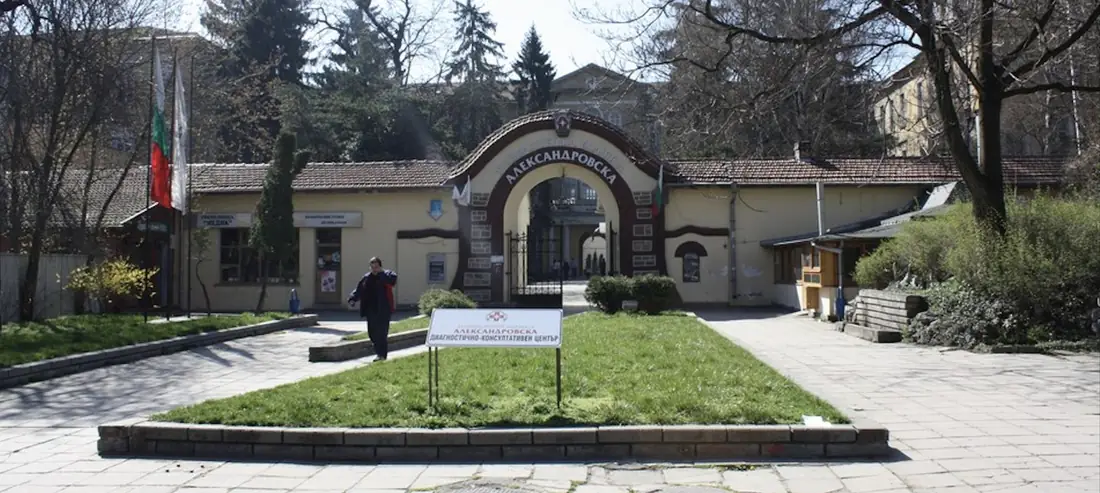
Medical University of Sofia
Public university since 1917
14 university hospitals
PBL method based on real cases


Medical University of Plovdiv
Public university since 1945
PBL method, close to practice
Labs, clinics and library
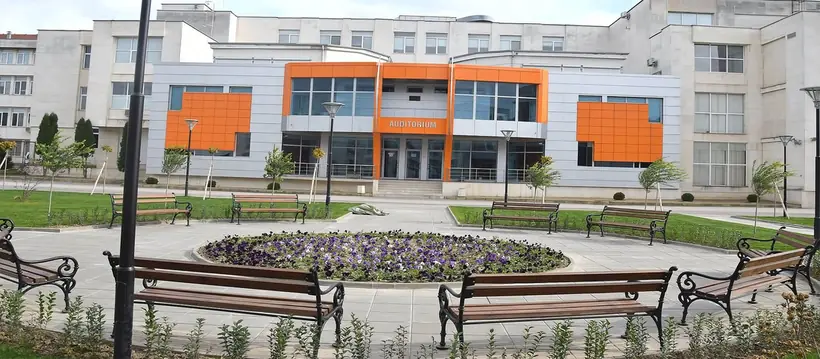
Medical University of Pleven
Medicine in English since 1997
PBL method based on real cases
February intake
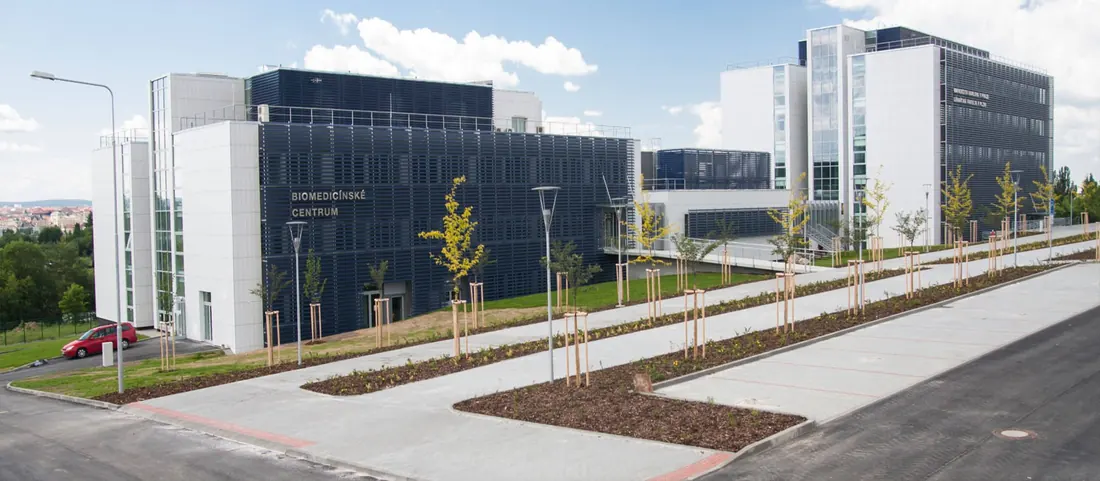
Charles University
Oldest in Central Europe (1348)
Among the world’s top 400 universities
Clinical phase at the university hospital

Masaryk University
Public, founded in 1919
Among Europe’s top 150 universities
Advanced labs and infrastructure
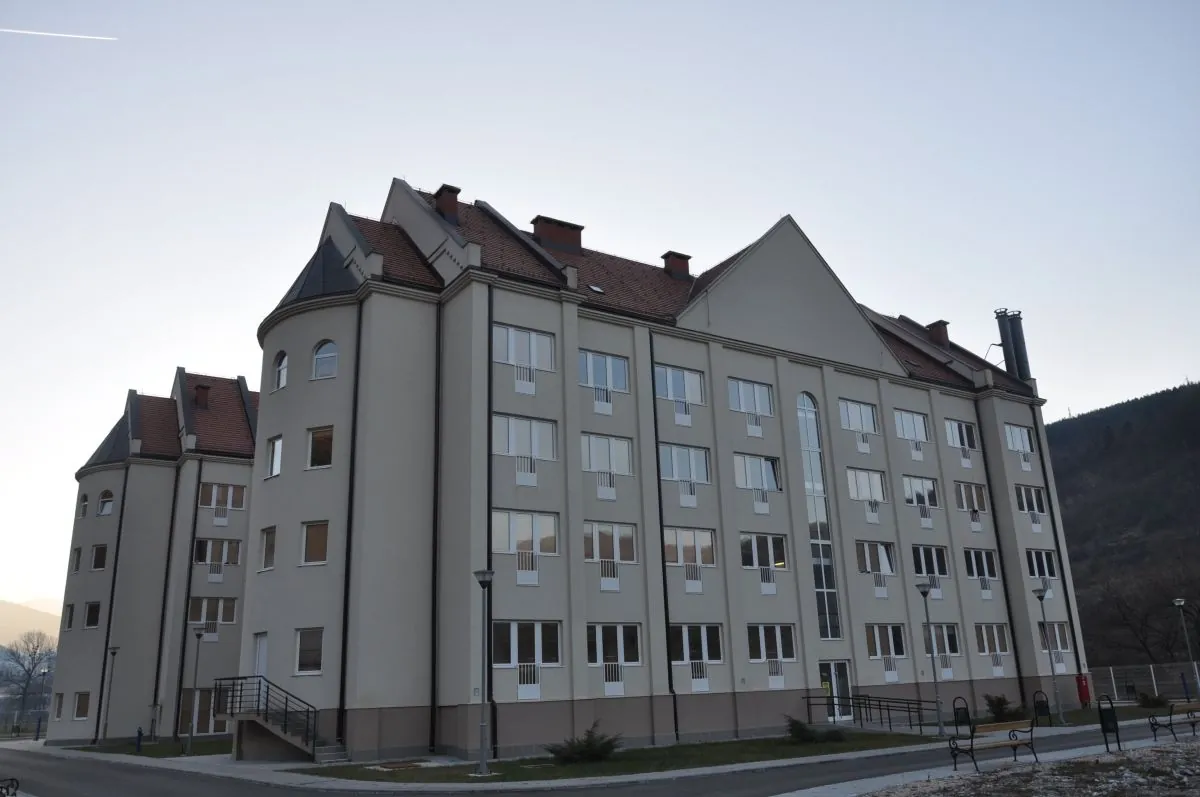
University of East Sarajevo, Foča
Public university since 1992
Medicine in English since 2018
Among Europe’s lowest living costs
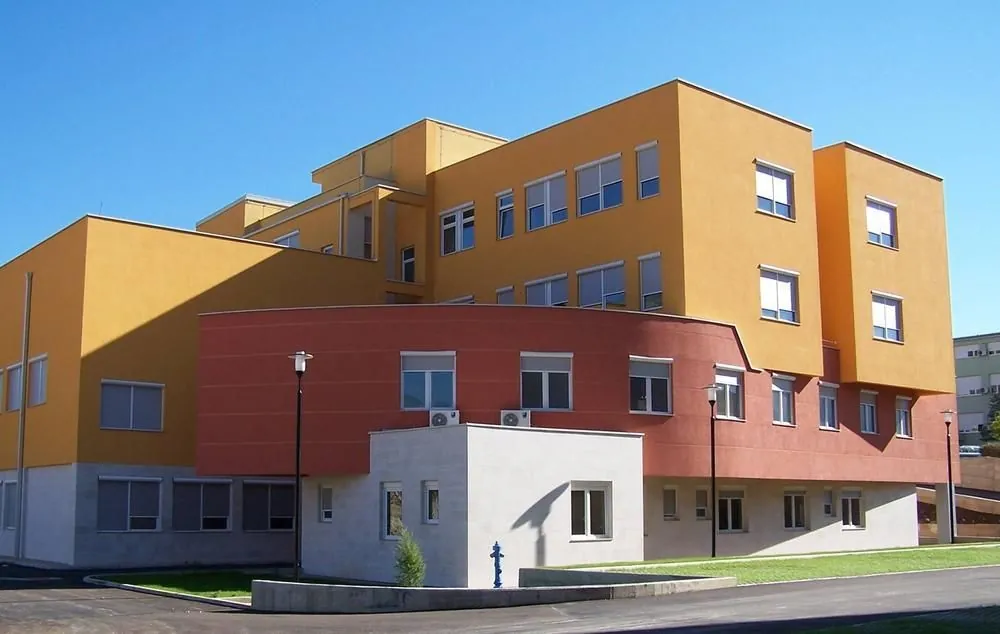
University of Mostar
No written test: school record counts
Clinical training at Mostar’s university hospital
30 places for 2026/27

Universities in Spain
Practical training in university clinics
Labs and simulation
Study in the European Union
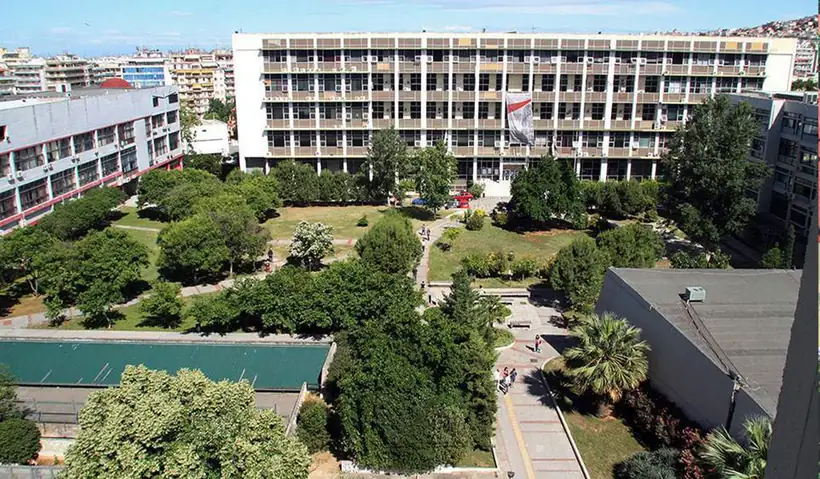
Universities in Greece
Aristotle University of Thessaloniki
Training in university hospitals
Degree in line with the EU Directive
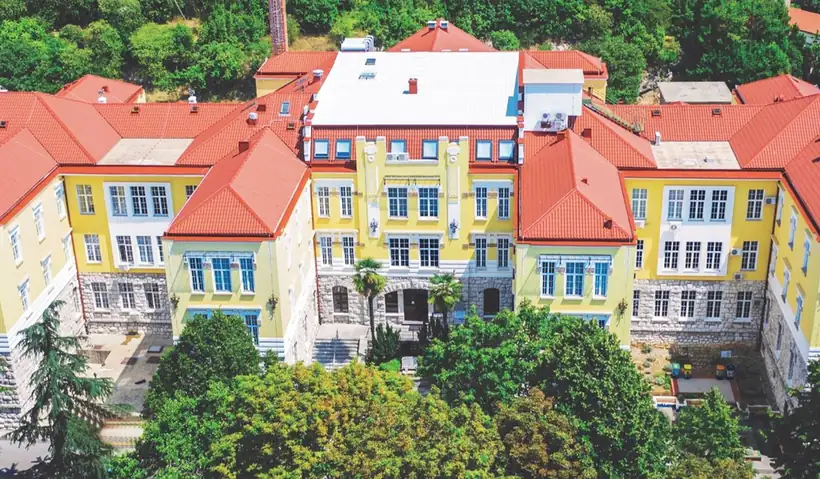
Universities in Croatia
In the EU, close to Italy
Theory and practice increasingly integrated
Study in Rijeka

Private universities in Italy
Internationally recognised degrees
Taught entirely in English
Each university runs its own admission
Private universities in Italy
Internationally recognised degrees
Taught in Italian
Each university runs its own admission
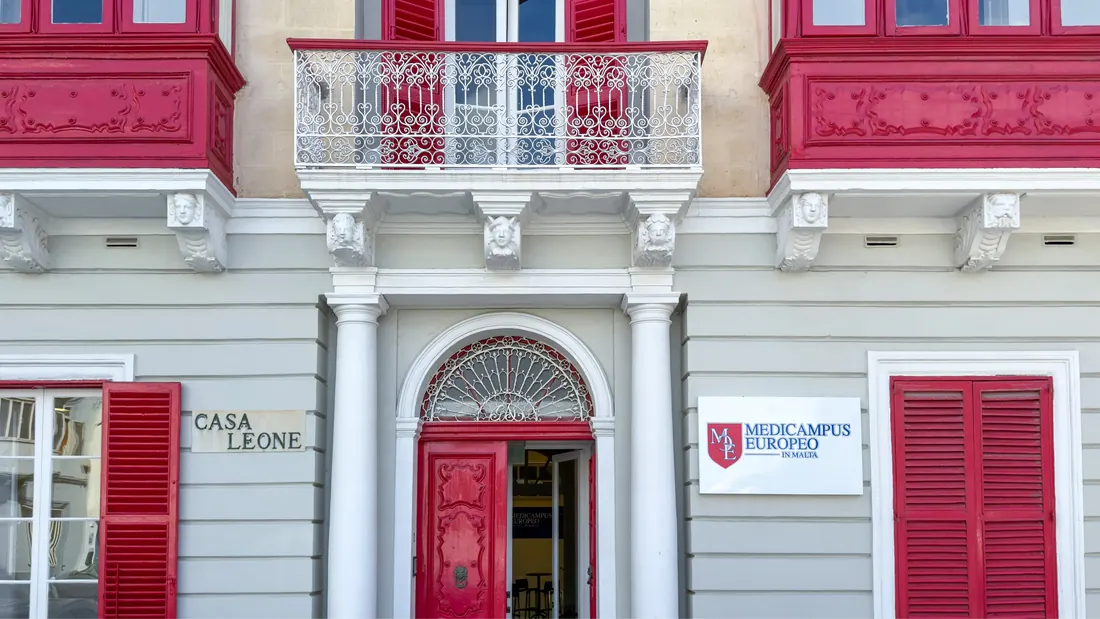
MediCampus Europeo
Malta: English official language, euro
Internationally experienced faculty
Clinical training from year 3
Studying Medicine abroad means joining international programmes that combine scientific preparation, clinical training and exposure to healthcare systems different from the one you grew up with. The first years focus on the core biomedical subjects; later, practical activities, placements and contact with patients take over. For anyone looking for a Medicine degree taught in English abroad, the value is not only linguistic: studying in a multicultural environment builds flexibility, decision-making and familiarity with different clinical approaches — skills that matter more and more in an international medical career.
Medical University of Sofia — Bulgaria
- €9,950 per year
- English
- 6 years
- Multiple-choice test in Biology and Chemistry
Medical University of Plovdiv — Bulgaria
- €10,000 for the first year
- English
- 6 years
- Multiple-choice test in Biology and Chemistry
Medical University of Pleven — Bulgaria
- €9,000 per year
- English
- 6 years
- Start: first week of February
Charles University — Czechia
- €16,000 per year (approx. 390,000 CZK)
- English
- 6 years
- Campus: Pilsen
- Multiple-choice test in Biology, Chemistry and Physics
Masaryk University — Czechia
- €16,000 per year (approx. 380,000 CZK)
- English
- 6 years
- Campus: Brno
- Written test in Biology, Chemistry and Physics
University of East Sarajevo, Foča — Bosnia and Herzegovina
- €3,500 per year
- English
- 6 years
- Multiple-choice test in Biology and Chemistry
University of Mostar — Bosnia and Herzegovina
- English
- 6 years
- Selection based on the secondary-school record; no standard written test
Spain
- €24,000 per year
- Spanish
- 6 years
Greece
- €12,000 per year
- English
- 6 years
- Test in Biology, Chemistry and English
Croatia
- €10,000 per year
- English
- 6 years
- Test in Biology, Chemistry and Physics
Private universities in Italy — Medicine in English
- €21,000 per year
- English
Private universities in Italy — Medicine in Italian
- from €16,500 per year
- Italian
MediCampus Europeo — Malta
- €14,500 per year in a single instalment, or €15,500 in two semester instalments; a €500 first-year enrolment fee also applies
- English
- 6 years
02 / Compare
What to compare
Most Medicine options listed are six-year programmes taught in English, so the main differences are tuition, from €3,500 per year in Foča to €24,000 per year in Spain, and the admission format.
- Teaching language and language progression
- Course duration and clinical training
- Tuition and living costs
- Admission test or document assessment
- Application deadline and intake
- Private practice in clinics and surgeries

A degree earned at an accredited European university is recognised under EU directives; it is always important to check the accreditation of the course and the procedures for practising the profession.
03 / Support
How Medicor Tutor supports you
For Medicine, we compare the available universities, explain each admission process and support you with your application and with test or interview preparation.
04 / FAQ
Frequently asked questions
Is Medicine abroad taught in English?
At most options, yes: Medicine is taught in English in Bulgaria, Czechia, Bosnia and Herzegovina, Greece, Croatia and Malta, and at some private universities in Italy. In Spain, Medicine is taught in Spanish, and private universities in Italy also offer Medicine in Italian.
Is there an admission test for Medicine abroad?
Most universities use a written multiple-choice test, usually in Biology and Chemistry, with Physics added at Charles University, Masaryk University and in Croatia. The University of Mostar selects mainly on your school record, and MediCampus Europeo uses an online assessment and interview followed by an academic validation in English, Biology and Chemistry.
How much does it cost to study Medicine abroad?
Tuition ranges from €3,500 per year at the University of East Sarajevo, Foča, to €24,000 per year in Spain; the Plovdiv figure of €10,000 is the first-year fee. Living costs range from €350–400 per month in Bosnia and Herzegovina to €1,200–1,700 per month in Spain.